Some people get that one life-changing moment or fateful encounter, one story they’ll tell forever.
And then there are those whose lives seem to consist of such encounters — people who talk about them nonchalantly, without the slightest need to impress.
We’re sitting inside ISINA Studios, across from a table with a Michael Jackson glove on it — the real thing. For me, it’s a relic. For my conversation partner — a cue to a quick flashback to chatting with Michael backstage in Dallas.
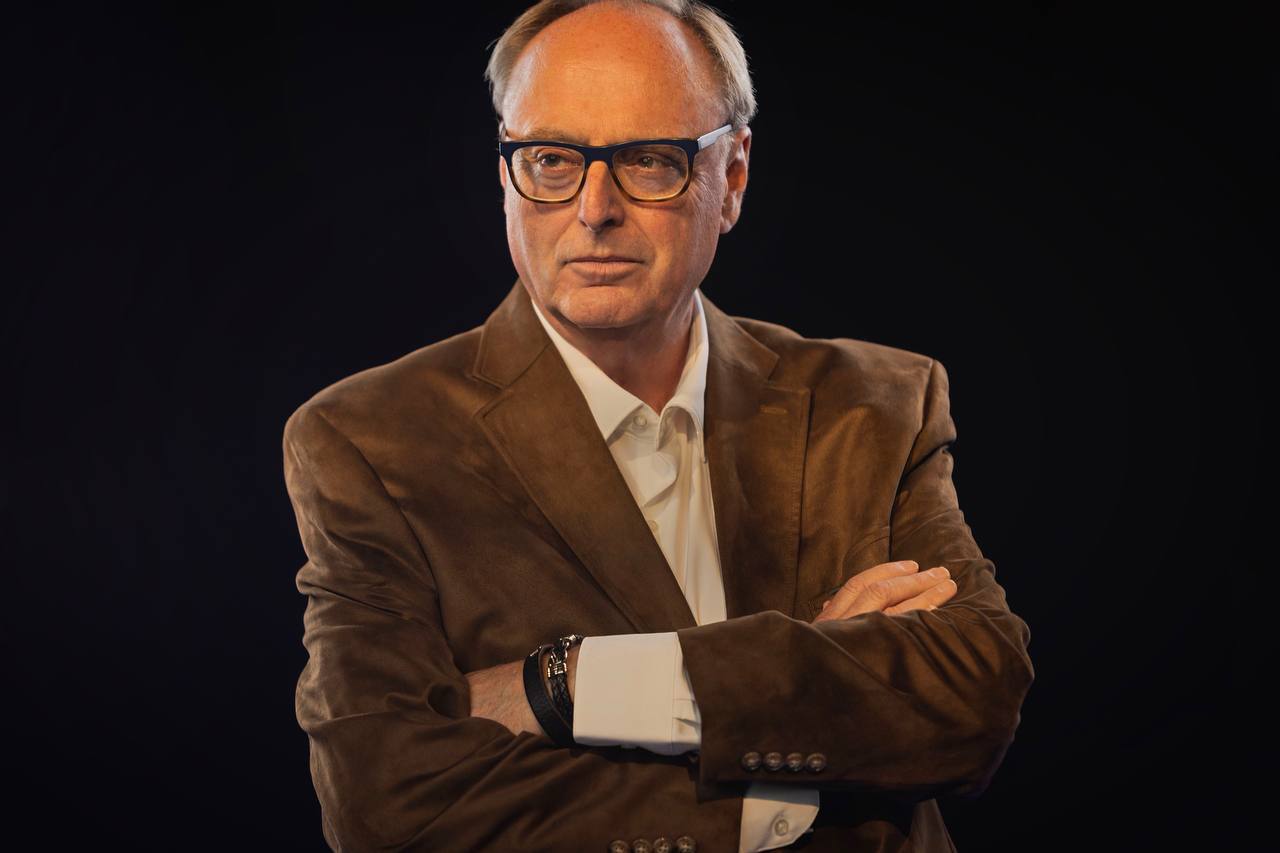
That’s Steve Owens — the new ISINA host who’s seen every side of the industry, from breaking new artists as one of America’s top DJs to turning songs into hits long before streaming existed, and still talks about it all with curiosity rather than nostalgia.
This time we decided to switch places — let Steve be the storyteller. The names, the money, the mistakes, the small truths from someone with 43 gold and platinum projects under his belt.
I’d say that if you believe in a dream, you can achieve it. When I was twelve, I created my own radio station, wrote to every record company, and ended up receiving thousands of records.
The thing is, so many people hit a wall because of limiting beliefs. It doesn't matter if it's in the music business or acting or if you want to be a doctor. They get to a point where they're like, oh, I can't do it, and then they drop it.
I’ve done everything from radio to consulting for record companies, running labels, and earning 43 gold and platinum projects. If you want that success — it's available for you.
Probably my favorite one was when Vince Faraci, who was a Senior VP of Atlantic Records, sent me a record called “In the Air Tonight” by Phil Collins, and said, “We can’t figure out why it’s not a hit.” And I’m like, “You’ve got one of the greatest drummers out there in the world, you know, on the drum break, it needs to really pound and go bam, bam, bam!”
The original version was very soft on it — they’d sent me a reel-to-reel from Criterion out of Miami. I listened to the reel-to-reel, made my changes, and the next day I was FedExed a new copy of it.
And I was like, yes, this is the record for me.
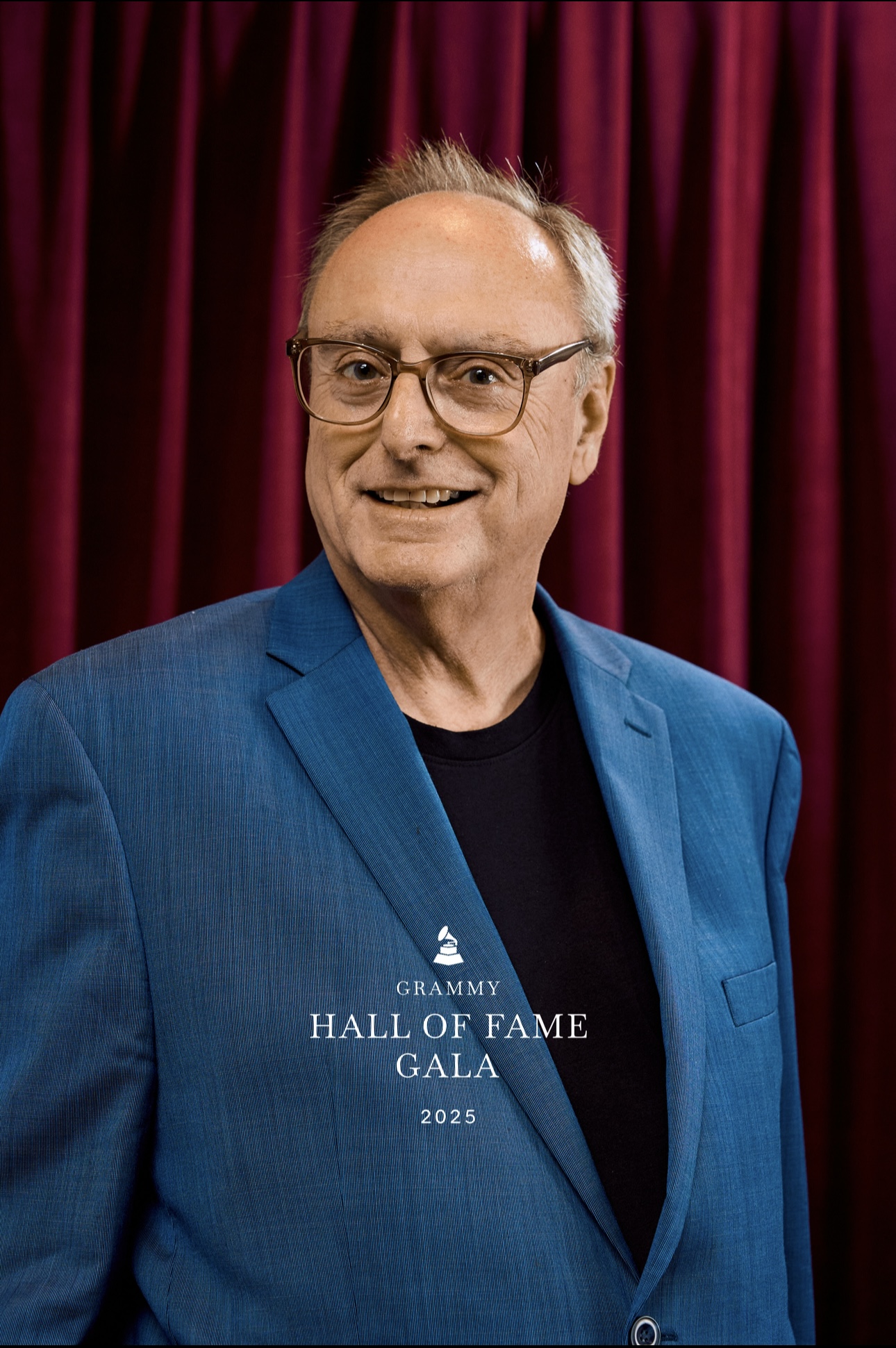
Yeah, I got a platinum for “Bad” by Michael Jackson. Interestingly, as I’m saying this, there’s a Michael’s glove sitting right here on the table in front of me.
So, I remember talking to Michael backstage before his show in Dallas, just chatting about his music career and whatnot. You know, there have been a lot of amazing memories in the music business.
At one point, I got into an argument with a very big executive over Journey. They had sent me an advance copy of the album and were pushing a rock record. And I said, “No, this is not the hit single. Open Arms is the record that’s going to explode.”
So I added it to the radio. I had quite a few points on Billboard, so by me adding it, the song would climb up the charts. The president of the label wasn’t too happy that I’d basically killed the record he was working on — but six or seven months later, they sent me seven platinums for making one of the biggest hits for Journey.
Not accidentally — I knew exactly what I was doing. (laughs)
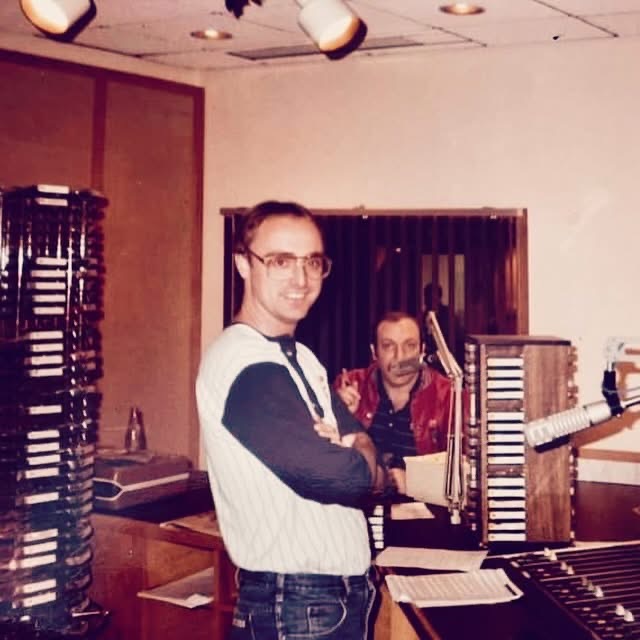
They actually reached out to me and we connected right away. They have a great synergy — I liked what they were doing, they’ve got a great list of mentors on board already, and they really care about the artists.
They approached me asking if I’d be interested in hosting a show, and I’ve always felt that you have to give back to what you’re doing within the music business. Many people just take, take, take — and never give back. So I said, yeah, I’ll absolutely do the show with you guys.
I was very fortunate that, when I worked in radio, I spoke to every president of every record company — Clive Davis [ISINA note: legendary record executive and producer behind Whitney Houston and Alicia Keys, five-time Grammy winner], Tommy Mottola [former CEO of Sony Music Entertainment], Charlie Minor [legendary record promoter and A&M Records executive] — the big heavyweights of the music business I’d talk to every week. They mentored me in my career, and you have to pass that knowledge on.
For example, I do every Tuesday on my Instagram, A&R Tuesday. I have probably at least 15,000 producers, record-label execs and whatnot following me. I give artists an opportunity to actually promote themselves on my page, and from it I’ve made recommendations to record labels. A couple of people have gotten signed from me making phone call.
People like Walter (Afanasieff) — we’re looking at his wall here — he’s done almost every Mariah Carey hit record, his knowledge is absolutely amazing. I mean, you don’t sell 90 million records and not know what you’re doing. The problem is, a lot of artists won’t take that knowledge.
I think there's two different kinds of artists. Well, technically, there's more than that, but I mean, there's two that are very distinct. One wants total independence and creative freedom. And then there's the others that want to do the concerts in front of 80,000 screaming fans.
Some go with a label, backed by a manager and big social media numbers, chasing that major-label advance. An independent artist says, “I just want to release my songs on Spotify and hope people listen, do a grassroots thing.”
Each of these people have to have a vision that is laid out in the direction that they want to go.
I wanted it to be something educational. A place where artists could really learn from other artists. I can give 40 years of being in the music business, all my data, but somebody who is a brand new artist, they also want to be able to take that knowledge from an artist standpoint, not somebody who is VP of a record label and has done A&R.
Oh, the day that I stop learning is the day I need to quit the music business. Every single day, I spend at least an hour learning something new about music.
Right now, for example, I’m studying EDM, which has never been a format for me. I was trained as a club DJ by DJs from Faces in Chicago and Studio 54 — the two biggest discos in the country. But I wanted to learn the new digital way of doing it, so I signed up for Pete Tong’s Academy to actually learn the new techniques. Sonic Academy is a great place I also learn from. Producertech is another one.
That was never my thing. And I don’t want to play festivals either. But I do want to have that knowledge, because if I go in to produce or executive-produce a record, I might say, “You know, that technique was really cool — something that happened on a DJ turntable. Let’s try doing that kind of thing in the session.”
Sit down and make a real plan. Decide if you want to be independent or with a major.
Think about how important social media is to you — because it matters. If you have 2,000 followers, maybe 2% will actually buy from you. So grow that base.
Tell your crowd: “Take out your phone, follow us right now, tag us — and someone will win free merch at the end of the night.” That simple move builds a real fan base at zero cost.
Well… If you’re up there performing in a nightclub, that’s called being commercial!
The myth about LA is people from outside think it's so difficult to get in. It’s not — if you network. You’ve got to go out three nights a week, meet people.
By going out and networking, you start connecting with other producers at different events. For example, Jeff Blue — phenomenal producer, Linkin Park — I met him at an event, as well as Joe Solo, who'd discovered Macy Gray.
Another thing — and I was just talking to a booking agent about this — is artists don’t want to pay or sell tickets for a show in Los Angeles. But club owners look at it as: “We’re giving you Los Angeles.” You’re going to go out and use our name everywhere — “We played in LA.”
If you have to sell 100 tickets and can’t sell 100 tickets — you shouldn’t be in the music business. One-hundred tickets is not a lot to sell. Or maybe you’ll pay $800 to perform — but you’ll use that for the rest of your career, talking about how you played big venues in LA. Artists from Nashville ask: “Why would I pay to play? They pay me in the South.” It's to bring up your dollar level by saying that you performed in Los Angeles.
And of course, the myth that California is cheap to live in — it’s not! (laughs)
…I want to see you have a number one record!
…More preparation in the recording studio. People that pick up a cell phone and actually sing the lyrics to the cell phone have not done their homework on making a record. I’m in a very large circle of A-list producers that have got Grammys and multiple platinums — all come to the same statement: not prepared.
If you listen to great records like Whitney Houston, Joe Cocker, or Mariah Carey, you felt every emotion. You couldn’t pick up a cell phone and sing that and have that same kind of passion.
I think we’re going to see a decline in AI. Right now it’s fun for everybody to make AI records — I’ve probably made 50 or 60 myself — but we have to learn to use it as a tool, not make it the creator. The passion has got to come back in the records, because longevity matters. You want a record to last six or seven months, not just three or four weeks.
Take Careless Whisper by George Michael — one of my all-time favorites, even though I got a platinum for I Want Your Sex. You hear that record in so many commercials. I probably hear it on Instagram at least 100 times a week. That’s a well-crafted record.
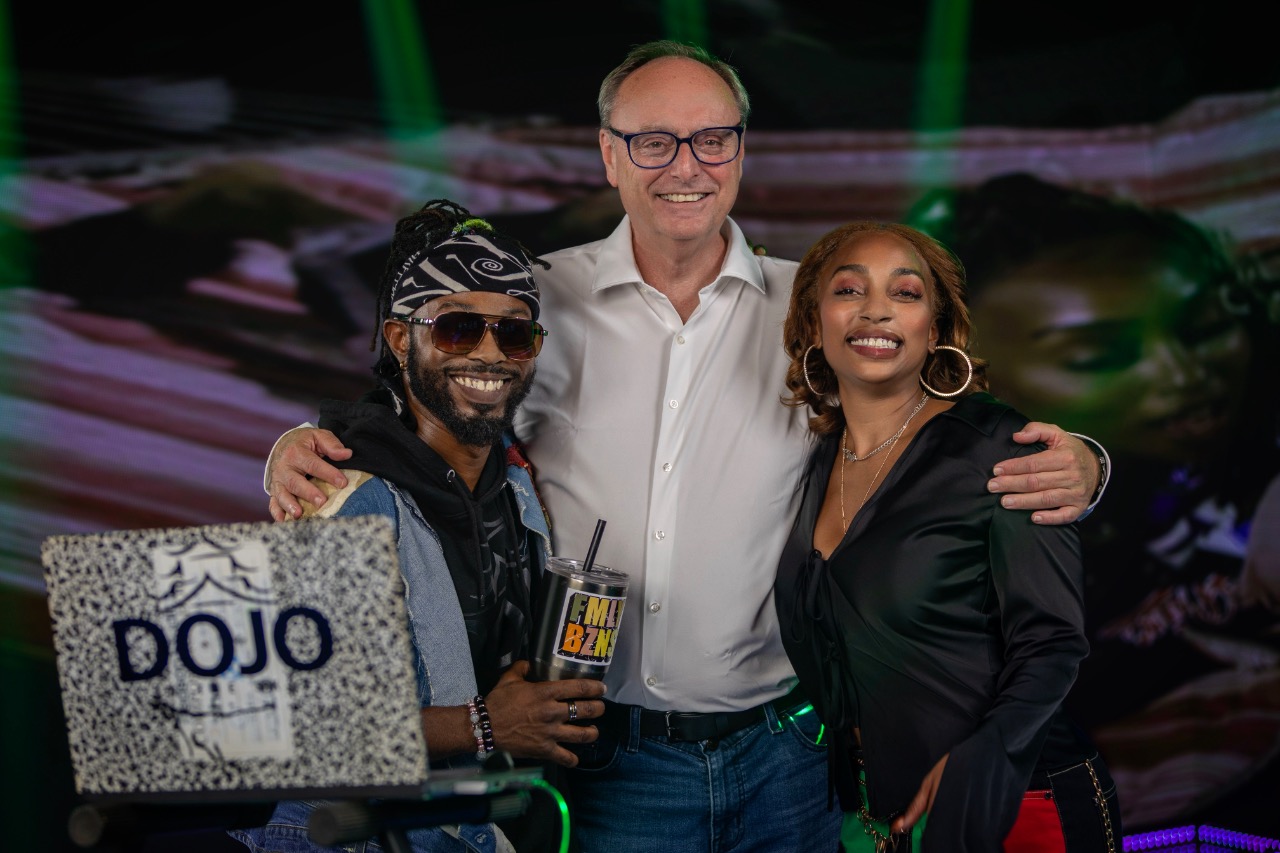
We’re starting to see more and more artists wanting to come back to that vision. For example, we have Sophia Perez King, who just did a remake of an Al Green record. And it’s phenomenal. Dojo, who’s actually in the other room right now, was the producer on it. They went down to Memphis and recorded that record where Al Green actually recorded it.